
Money Is Not The Goal, Freedom Is
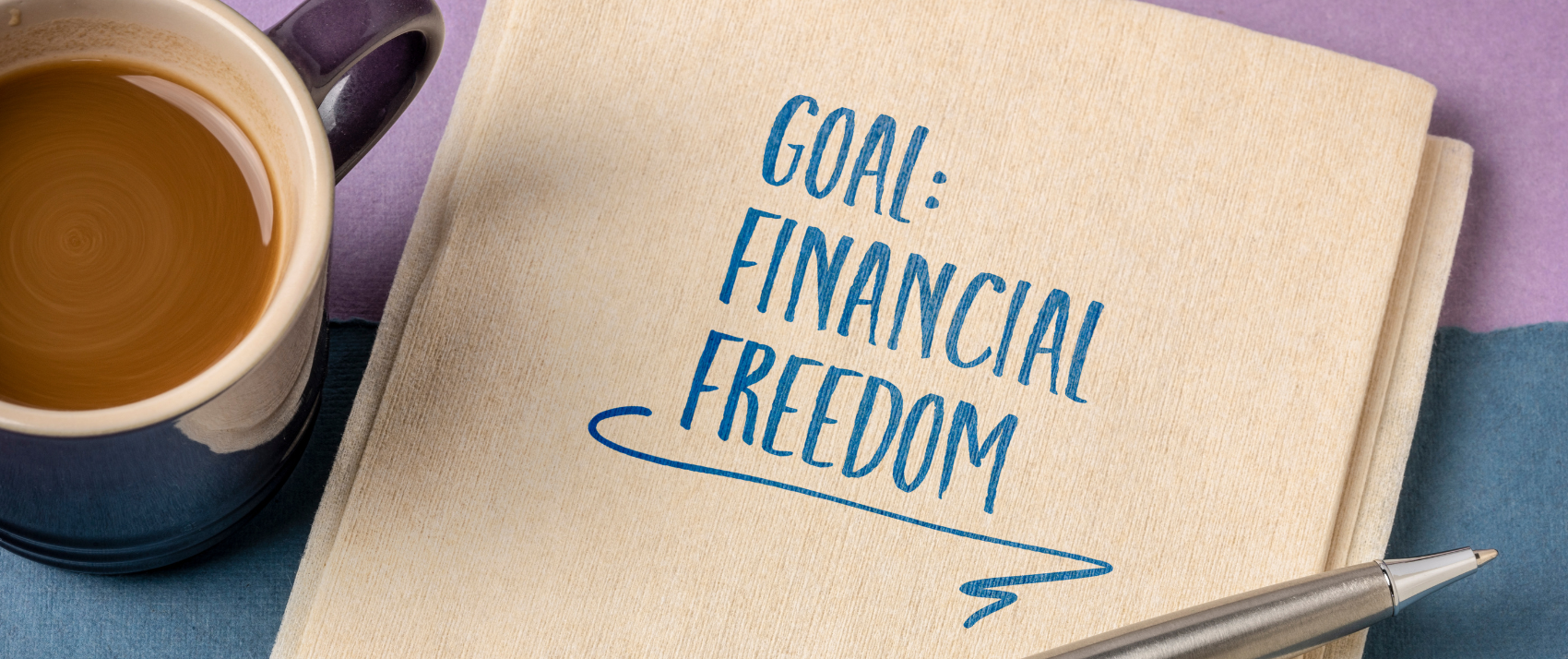
Many people set out on their financial journey with a single aim in mind: to make as much money as possible. It is a mindset that is easy to fall into, especially in a world that often equates success with wealth, status, and possessions. But what if we have been looking at it all wrong? What if money is not the goal, but simply a tool? When you shift your perspective and realise that freedom, not money, is the real goal, everything about the way you make financial decisions can begin to change.
Money, by itself, has no value beyond the meaning we assign to it. A pile of cash in a safe does not bring joy, peace, or fulfilment. What it can do, however, is provide options -options that give you the freedom to live life on your own terms. Whether it is the ability to leave a job you hate, to travel when and how you want, to spend more time with your family, or to pursue meaningful work without worrying about bills, true wealth lies in the freedom to choose how you live.
When money is the goal, people often chase higher salaries, bigger houses, and fancier cars, sometimes at the expense of their health, relationships, or mental wellbeing. For example, someone might take on a high-paying job that demands 70-hour work weeks, leaving little time for family or rest, all in the name of “financial success.” But if that same person were to reframe their goal as freedom, they might instead prioritise financial independence, flexible working hours, or building passive income streams that allow for a more balanced life, even if it means earning slightly less.
This shift in mindset also influences spending decisions. If you view money as a tool for freedom, you are less likely to spend impulsively on status symbols that lock you into debt or restrict your future choices. Instead, you might focus on paying off your bond early, saving aggressively, or investing in assets that grow over time. For example, someone aiming for freedom may choose to drive a modest, paid-off car rather than financing a luxury vehicle, so they can channel those extra funds into a rental property or a retirement annuity.
Understanding that money is a tool also reframes how you approach risk and opportunity. When the goal is simply to accumulate money, people might become overly cautious or fearful of taking financial steps that do not yield immediate returns. But when the goal is freedom, your thinking becomes more strategic. You might be more willing to invest in your education, start a side business, or take a sabbatical to reassess your direction, all because you understand that the ultimate return on investment is a life you get to design, not just a number in a bank account.
This perspective also encourages patience. Freedom does not come overnight, it is built steadily through wise choices, long-term planning, and the discipline to resist distractions that do not align with your true priorities.

Ultimately, redefining money as a means to an end rather than the end itself allows you to be more intentional with your financial life. It helps you align your money decisions with your values and your vision of a meaningful life. It moves you away from comparison and competition, and toward contentment and autonomy.
So, as you navigate your financial journey, ask yourself: Are you chasing money, or are you using money to chase freedom? That single question could change everything, from the way you budget, invest, and work, to the way you live your life. Because in the end, it is not about having more money, but rather about having more choice, more time, and more control over how you spend your days, because that is the real wealth.