
Good financial habits are rarely built through one dramatic decision, but rather the result of small choices that are repeated often enough to become almost automatic. Financial advisers tend to see the consequences when those habits are missing, which is why much of their advice is less about finding the perfect investment or making a clever financial move and more about getting the basics right.
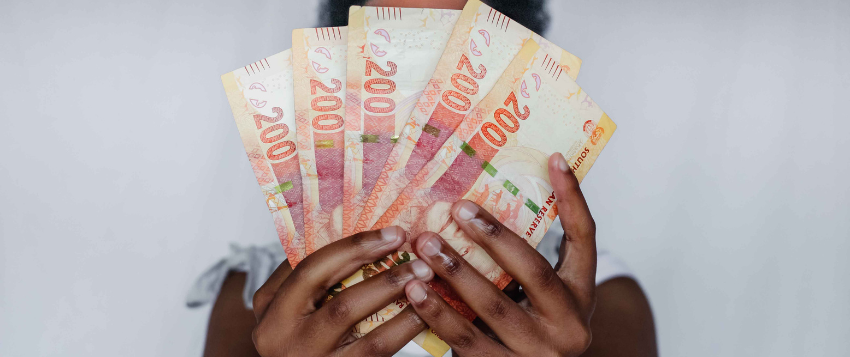
One of the simplest pieces of advice is to stop spending money without knowing where it is going. This does not mean tracking every cup of coffee for the rest of your life, but it is worth looking at your bank statements and card spending honestly. Many people know roughly what they earn and roughly what their major expenses are, but have surprisingly little idea how much disappears on smaller purchases. Those amounts can add up to a meaningful portion of a monthly income, and therefore knowing where the money is going makes it much easier to decide whether you are actually happy with what you are spending it on.
Another habit advisers encourage is to avoid making lifestyle increases automatic when your income rises. Earning more should give you more financial breathing room, but it is remarkably easy for a higher salary to be absorbed by a better car, more expensive holidays, a larger home and a general increase in everyday spending. There is nothing wrong with enjoying an improved income, but it is worth deciding in advance how much of every increase will go towards spending, saving and investing. Otherwise, the amount available for those goals can remain almost exactly the same no matter how much you earn.

Saving should also happen before you start spending rather than afterwards. An amount transferred to a savings or investment account shortly after payday is much less likely to be spent than an amount that sits in your current account waiting to see what is left at the end of the month. And this is particularly important for building an emergency fund. Having accessible savings means that an unexpected expense does not automatically become a credit-card balance, personal loan or other form of expensive debt.
When it comes to investing, one of the most useful habits is to start before you feel completely ready. Many people wait until they earn more, have paid off every debt or understand the investment world perfectly before putting money away for the long term. There will however always be another reason to wait and therefore starting with an affordable amount and increasing it as your circumstances improve can be far more realistic. The advantage of investing regularly is that you do not have to make a series of perfectly timed decisions about when markets are going up or down.

Financial advisers also tend to caution against confusing activity with progress. Constantly changing investments, chasing the latest market story or moving money because something else appears to be performing better can create the impression that you are being proactive when you may simply be reacting. A sensible investment strategy should be based on what the money is intended for, how long it can remain invested and how much risk you can realistically tolerate. It should not change every time the financial news becomes unsettling.
Perhaps the most important habit is to give your financial decisions some perspective. Not every purchase needs to be justified as an investment, and not every investment needs to produce an immediate result. Money serves different purposes at different stages of life. Some of it pays for today’s needs, some protects you against tomorrow’s surprises and some is there to build wealth over many years.
The goal is therefore is not to become someone who never spends money, but rather someone who spends deliberately, saves consistently and invests with patience. Once those habits become part of the way you manage money, good financial decisions require much less willpower and simply become what you do.