
Financial Intelligence for Achievement of Financial Freedom.
2026 MTBPS Review.
- South Africa’s fiscal position continues to improve, with government remaining on track to reduce the budget deficit and stabilise debt levels. The main budget deficit is projected to narrow to 2.5% of GDP by 2029/30, while government debt is expected to decline gradually from 78.4% of GDP in 2025/26 to 76.6% by 2029/30. However, debt-service costs remain high, limiting fiscal flexibility.
- To reinforce fiscal discipline, government has proposed a legislated fiscal anchor aimed at improving transparency, accountability and policy consistency across political cycles.
- The economy remains the key challenge. While GDP growth is forecast to improve from 1.2% in 2026 to 2.0% by 2029, this pace is still insufficient to meaningfully reduce unemployment and accelerate development. A significant portion of recent revenue gains has also been supported by stronger commodity prices, which may not be sustainable over the long term.
- To provide short-term relief to consumers, government announced a further fuel levy relief measure, effective between 4 November 2026 and 5 January 2027. Ultimately, stronger economic growth will depend on the successful implementation of reforms and investment in critical sectors, including infrastructure, energy, logistics and water.
SA Company News:
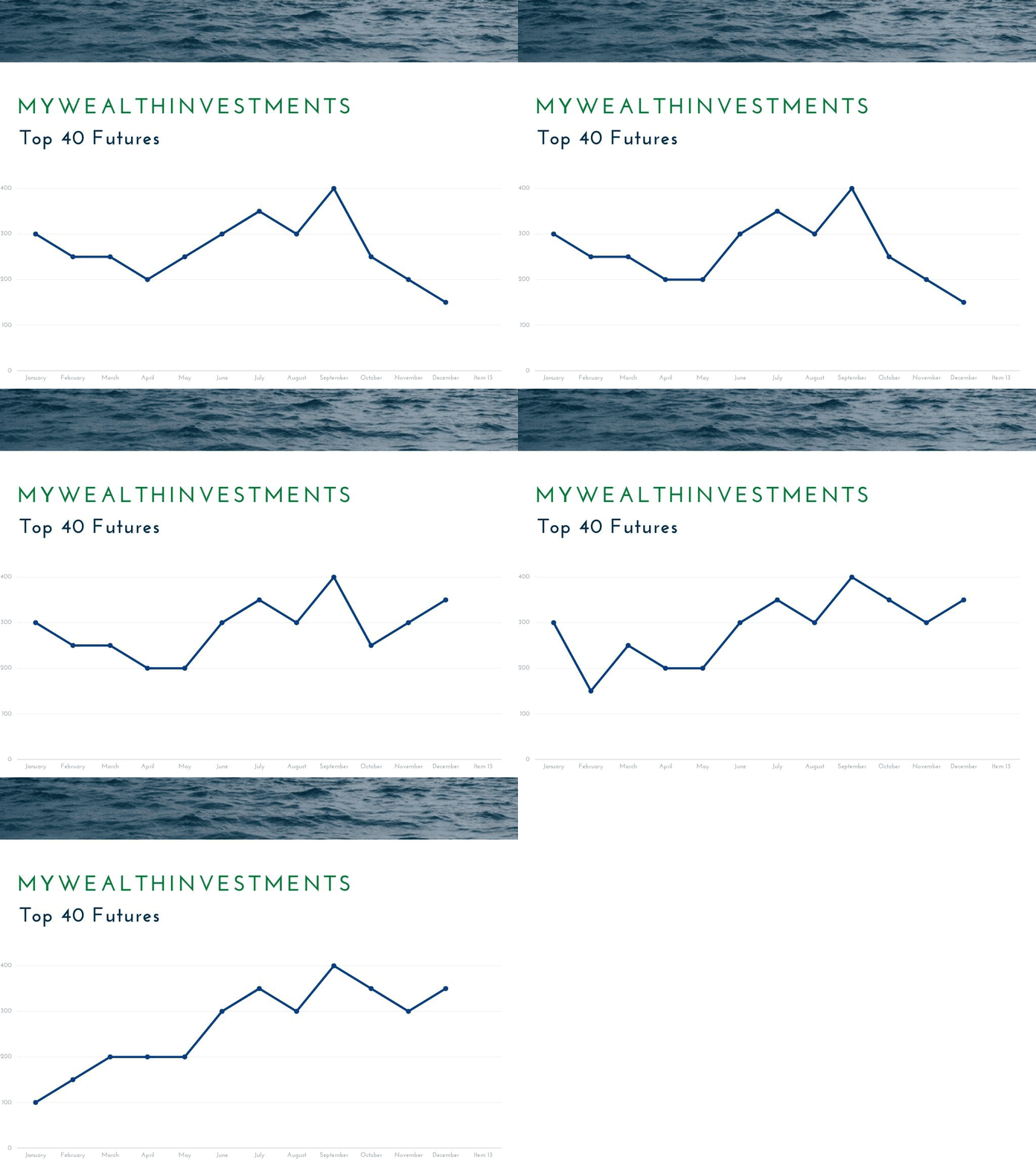
The Johannesburg Stock Exchange All-Share Index closed 0.67% lower at the 109 658 level.
In a trading update from Cashbuild Limited, group revenue increased by 1% in the first quarter of FY2027, supported by contributions from newly opened stores despite weaker demand at existing outlets. Comparable store sales declined by 1%, while customer transactions fell by 3%, highlighting ongoing pressure on consumer spending. Product selling price inflation remained modest at 3.1%, limiting the benefit of price increases on revenue growth. The group continued to expand and optimise its store network, ending the quarter with 318 stores after opening two new outlets, closing one store and refurbishing three stores.
In its interim results for the six months ended 31 August 2026, Afrimat Limited reported a difficult trading period, with revenue declining 4.3% to R5.1 billion and operating profit falling 32.8% to R255.2 million as weaker iron ore profitability and continued losses in the cement business weighed on performance. Profitability came under severe pressure, with EPS dropping 97.4% to 2.6 cents and the group reporting a headline loss per share of 58.0 cents, compared with headline earnings of 101.9 cents a year ago. The standout performer was the Aggregates business, where operating profit surged 76.8% to R567.8 million, benefiting from operational improvements, higher-margin products and strong demand for infrastructure-related materials. Despite weaker earnings, cash generation improved, with cash generated from operations rising 21.1% to R433.1 million, while net debt declined to R2.1 billion and no interim dividend was declared.
In its interim results for the six months ended 31 August 2026, Combined Motor Holdings Limited delivered a solid performance, with revenue increasing 6.6% to R8.1 billion and operating profit rising 13.9% to R368.4 million, reflecting resilient trading conditions across its businesses. Profit attributable to shareholders grew 12.7% to R185.5 million, while headline earnings per share increased 18.6% to 261.0 cents, demonstrating strong earnings growth. The group’s financial position remained robust, with cash resources rising 16.1% to R899.5 million and net asset value per share increasing 12.5% to 2 153 cents.
Reflecting confidence in its outlook and cash generation, the company declared an interim dividend of 148 cents per share, payable in December 2026.
SA Economy:
The annual inflation rate rose to 4.5% in September 2026 from 4.4% in August, making it the second consecutive monthly increase. However, the reading came in below market expectations of 4.7%. The rise in inflation was mainly driven by higher transport costs, which accelerated to 10.8% year-on-year from 8.8% in August. This was largely due to rising fuel prices, with diesel prices increasing 46.0% and petrol prices rising 25.0%, reflecting recent domestic fuel price hikes. Food inflation also edged higher, rising to 1.2% from 1.1% in the previous month, although food price pressures remained relatively contained. Encouragingly, core inflation, which excludes food, non-alcoholic beverages, fuel and energy, eased slightly to 4.0% from 4.1% in August. This suggests that underlying inflationary pressures remain relatively stable despite the rise in headline inflation. On a monthly basis, consumer prices increased 0.4%, compared with no change in August.
Retail sales increased by 3.3% year-on-year in August 2026, slightly lower than the 3.4% growth recorded in July but still above market expectations of 3.0%. The result kept retail sales growth close to its strongest levels of the year, highlighting the continued resilience of consumer spending despite a challenging economic environment. On a monthly basis, however, retail activity softened, with seasonally adjusted retail sales declining 0.3%, following a revised 2.4% increase in July. This suggests that while underlying consumer demand remains relatively healthy, spending momentum moderated during August.
Global Economy:
UK annual inflation rose to 3.5% in September 2026, the highest since October 2025 and above the 3.4% forecast, led by higher transport and motor fuel costs, with core CPI up to 2.8%.A deadly drone attack on Saudi Aramco’s Shaybah field and Ukrainian strikes on Russian oil facilities have raised supply risks, but rising Middle East crude exports and Russia’s planned diesel shipment to the US may limit further oil price gains.
US mortgage applications fell 5.3% in the week ending October 16, marking a seventh consecutive weekly decline and reaching their lowest level since January 2025, according to the Mortgage Bankers Association.
The yield on the US 10-year Treasury note held steady at around 5.1% on Wednesday as investors continued to assess the outlook for the Fed’s monetary policy decision next week. Markets are pricing in an approximately 85% probability that the Fed will leave interest rates unchanged, while the odds of a 25bps rate hike in December stand at around 75%.
Global Company:
The FTSE 100 closed 0.19% lower at 10 753. Oil and banking stocks provided most of the support. BP rose around 2%, while HSBC, Lloyds Banking Group, NatWest, and Standard Chartered gained between 0.5% and 1.1%. Barclays traded slightly lower ahead of its corporate results announcement due on Thursday. Mining shares were mixed, with Fresnillo falling more than 2% after maintaining its annual silver production guidance despite reporting lower production than a year ago.
The Hang Seng Index is trading 2.89% lower at 22 981, extending recent losses as continued weakness in technology shares weighed heavily on market sentiment. Investor concerns were amplified by the recent selloff in CATL, after the battery giant reported slower third-quarter profit growth amid intense competition and softer vehicle sales in China. Among the notable decliners were Lenovo (-10.92%), Xiaomi (-3.7%), Tencent (-3.3%), SMIC (-5.9%), and AIA Group (-0.83%).
In China, the Shanghai Composite is down 1.31% at 3 665.
The Dow Jones Industrial Average closed 0.68% higher at 52 856, while the S&P 500 closed 0.57% higher at 7 552. Investor sentiment improved after SpaceX reported its first profit as a publicly listed company and CEO Elon Musk suggested that a merger with Tesla would be “a good idea.” SpaceX shares surged 7.8%, while Tesla gained 3.4%. Other space-related stocks also moved higher, including Rocket Lab (+5.4%), Planet Labs (+2.3%), and Intuitive Machines (+3.5%). The AI sector received another boost from Super Micro Computer, whose strong quarterly outlook reinforced expectations for continued demand for AI servers and data-centre infrastructure. The company’s shares jumped 9.5%, lifting related stocks such as Dell (+5.3%) and Hewlett Packard Enterprise (+3.7%). Semiconductor shares also rebounded, with AMD rising 3.4%, Nvidia gaining 2.5%, and Intel adding 1.3%, reflecting renewed optimism around AI-driven technology spending. Not all companies shared in the gains. Netflix fell 5.3% after issuing weaker-than-expected fourth-quarter profit guidance, only days after announcing job cuts. AT&T dropped 6.4% despite reporting earnings ahead of expectations, while Elevance Health slipped 1.4% even after raising its 2026 profit outlook.
Commodities:
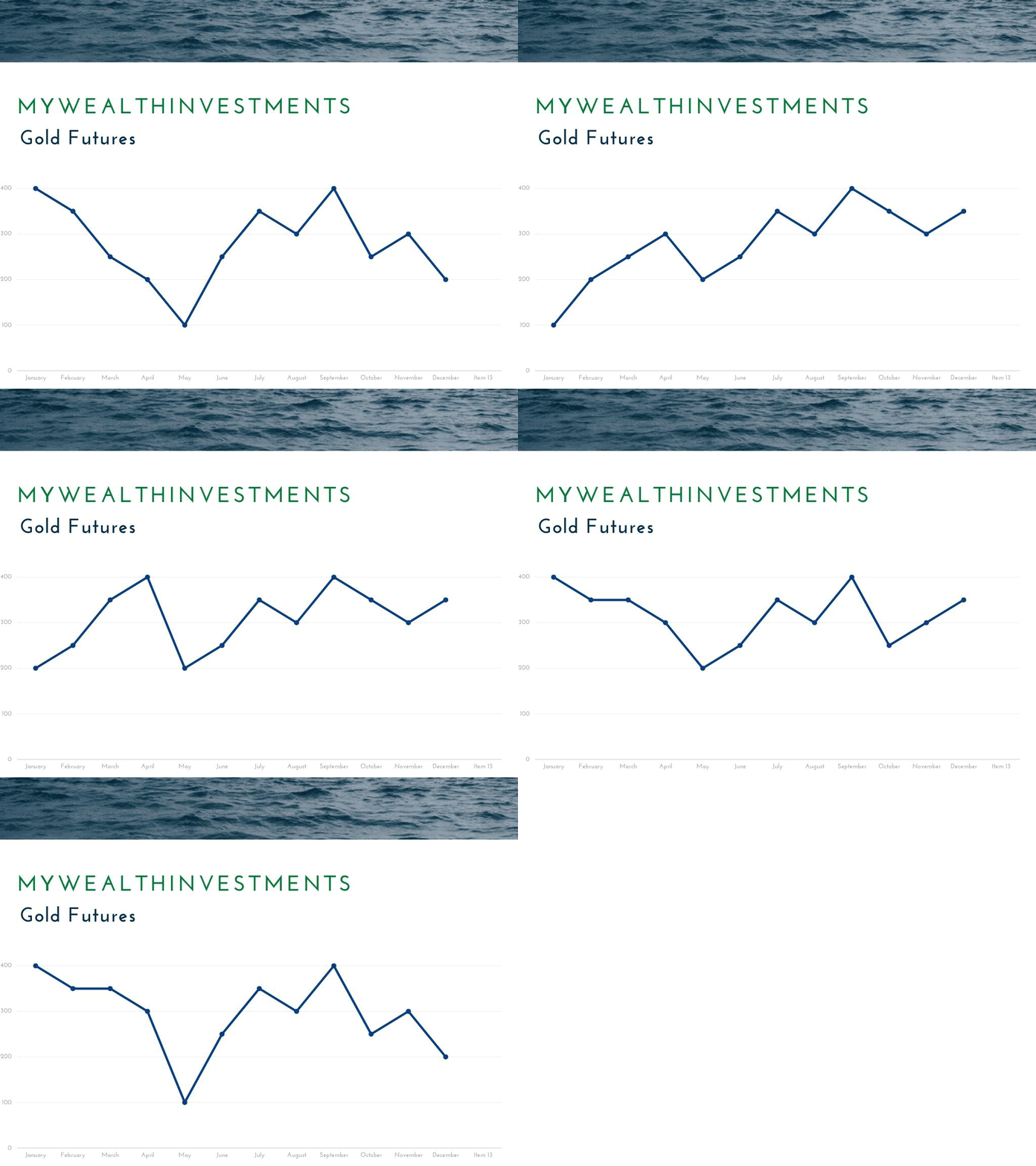
Gold is trading lower by 0.76% at $4 088/oz, while Platinum is lower by 3.05% to $1 592.63/oz.
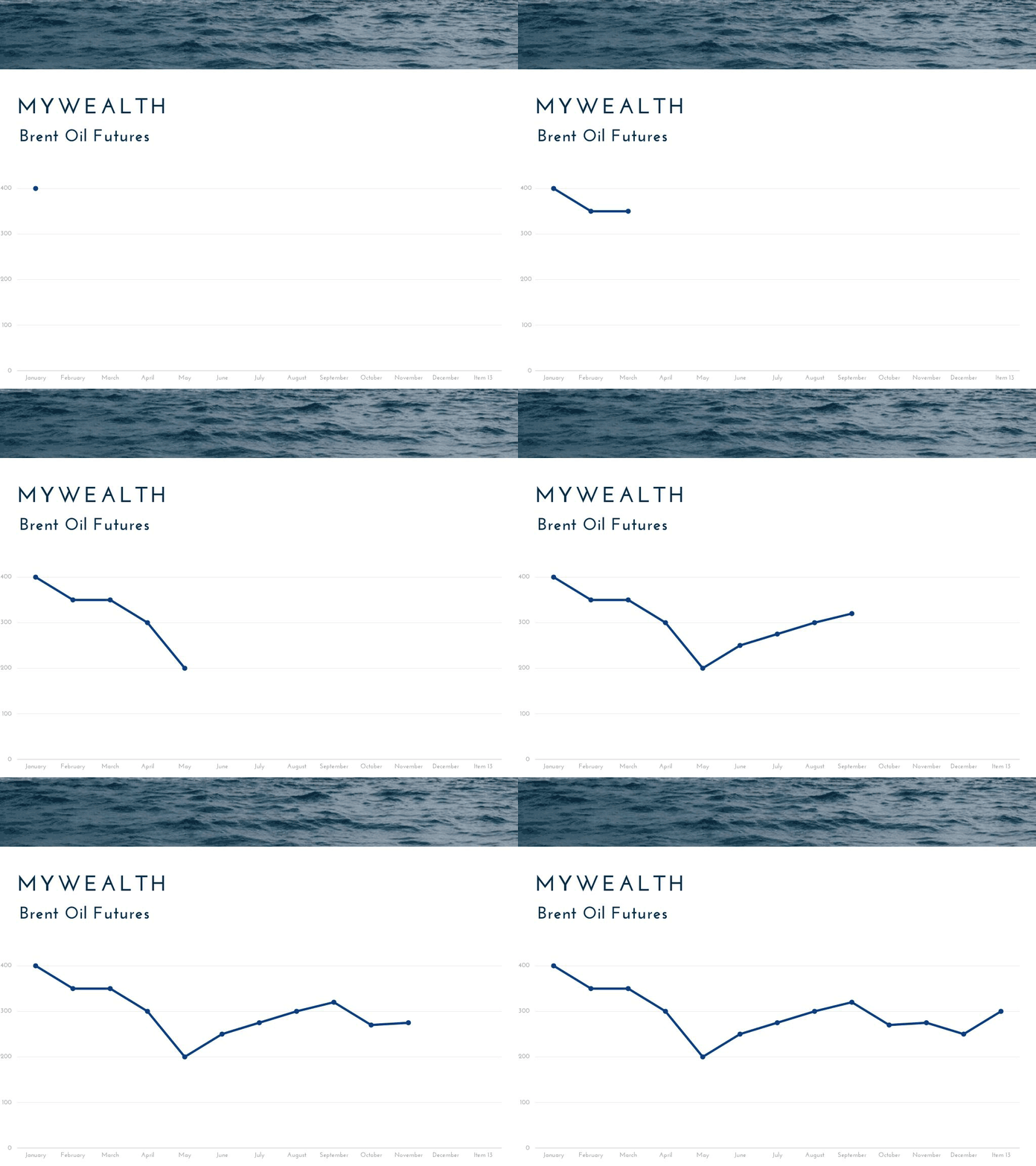
Brent crude was 0.92% higher at $111.15.
Currency:
The rand traded at R16.40 against the US Dollar, R21.98 against British Pound and R18.44 against the Euro.
The Euro is slightly firmer against the US Dollar to trade at $1.1242.
 .
| Market Indicators | |||||||
| Commodities $ | Cross Currencies ($) | Major Indices | |||||
| Gold | 4088.20 | -0.76% | USD/ZAR | 16.40 | Top40 | 101739.26 | -0.80% |
| Platinum | 1592.63 | -3.05% | GBP/ZAR | 21.98 | Dow 30 | 52856.09 | 0.68% |
| Brent | 111.15 | 0.92% | EUR/ZAR | 18.44 | S&P 500 | 7757.17 | 0.57% |
| Copper | 6.48 | -1.85% | EUR/USD | 1.1242 | FTSE | 10752.88 | -0.19% |
| Palladium | 1061.80 | -3.00% | USD/JPY | 157.68 | DAX | 25645.04 | 1.33% |
| Iron Ore | 90.05 | -1.55% | BITCOIN | 82744.00 | Shanghai | 3665.12 | -1.31% |
| Source: FACTSET | |||||||