
For many people, money has long been treated as a neutral tool, something to be optimised for growth, protection, or income, often without much reflection on the broader consequences of how it is used. Yet, increasingly, individuals are beginning to question whether their financial decisions reflect what truly matters to them. Sustainability, ethical labour practices, environmental responsibility, and community upliftment are no longer abstract ideals reserved for policy discussions, but are becoming deeply personal considerations that can, and arguably should, shape how we earn, spend, save, and invest.
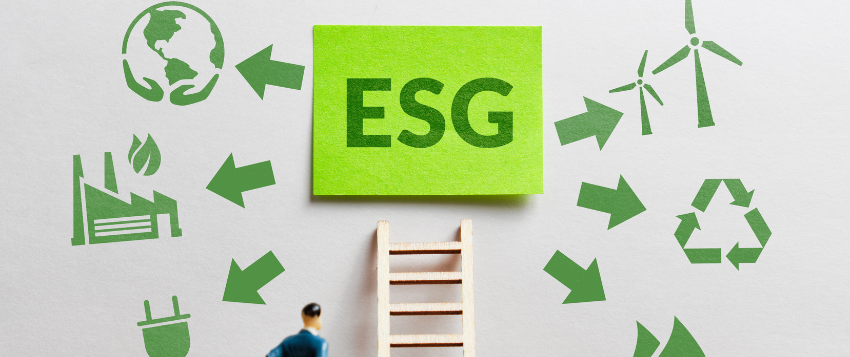
One of the most direct ways to bring these values into your financial life is through your investment choices. The rise of ESG (Environmental, Social, and Governance) investing has made it easier for individuals to allocate capital in a way that aligns with certain ethical standards. While ESG funds have sometimes been criticised for inconsistency in how they are measured or applied, the underlying principle remains powerful, which is that your investment portfolio is not just a reflection of your financial goals, but also of the kinds of businesses and practices you are willing to support. A thoughtful approach would go beyond simply selecting a fund labelled “ESG” and instead involve interrogating the underlying holdings, understanding the screening criteria, and considering whether these align with your personal convictions.
However, aligning money with values extends far beyond investments. Everyday spending decisions often have a more immediate and tangible impact. Choosing to support locally produced goods, for instance, can contribute to job creation and economic resilience within your community. While imported products may sometimes be cheaper due to scale or currency dynamics, the long-term economic effects of consistently favouring local producers can be significant. This does not mean abandoning cost-consciousness, but rather making deliberate trade-offs where the marginal difference in price supports a broader outcome you care about.
Another often overlooked area is how we think about consumption itself, as sustainability is not only about what you buy, but also about how much you buy and how long it lasts. Opting for higher-quality items that have a longer lifespan, even at a higher upfront cost, can reduce waste and, over time, prove to be financially prudent. This principle applies equally to clothing, household goods, and even technology, where repairing instead of replacing and maintaining rather than upgrading are small but meaningful ways to align financial behaviour with environmental consciousness.
Banking and lending decisions also present opportunities for alignment. Many people are unaware that their deposits and investments held through financial institutions may be used to fund projects or industries that conflict with their values. While it may not always be feasible to fully control this exposure, asking questions about where and how your money is deployed can be an important first step. Similarly, when taking on debt, whether for a home, vehicle, or business, considering the broader implications of that purchase can add another layer of intentionality to the decision.

Insurance, too, can be approached through a values-based lens. Beyond simply protecting against financial loss, certain products and providers incorporate incentives for healthier or more sustainable behaviour, such as reduced premiums for energy-efficient homes or safe driving habits. While these features should never be the sole basis for choosing a provider, they can complement a broader strategy of aligning financial decisions with personal priorities.
For those who wish to think even more creatively, there are additional avenues to explore. Supporting small businesses or entrepreneurs directly, whether through informal lending, partnerships, or community initiatives, can create meaningful impact while also diversifying your financial exposure. Participating in community-driven savings schemes or investment groups can similarly blend financial objectives with social cohesion and mutual support.
Ultimately, integrating sustainability and ethical considerations into your personal finances is not about achieving perfection or adhering to a rigid set of rules, but rather about cultivating awareness and making incremental adjustments that, over time, bring your financial life into closer alignment with your values. In a world where capital flows shape industries and societies, even small, deliberate choices can contribute to outcomes that extend far beyond your own balance sheet.