
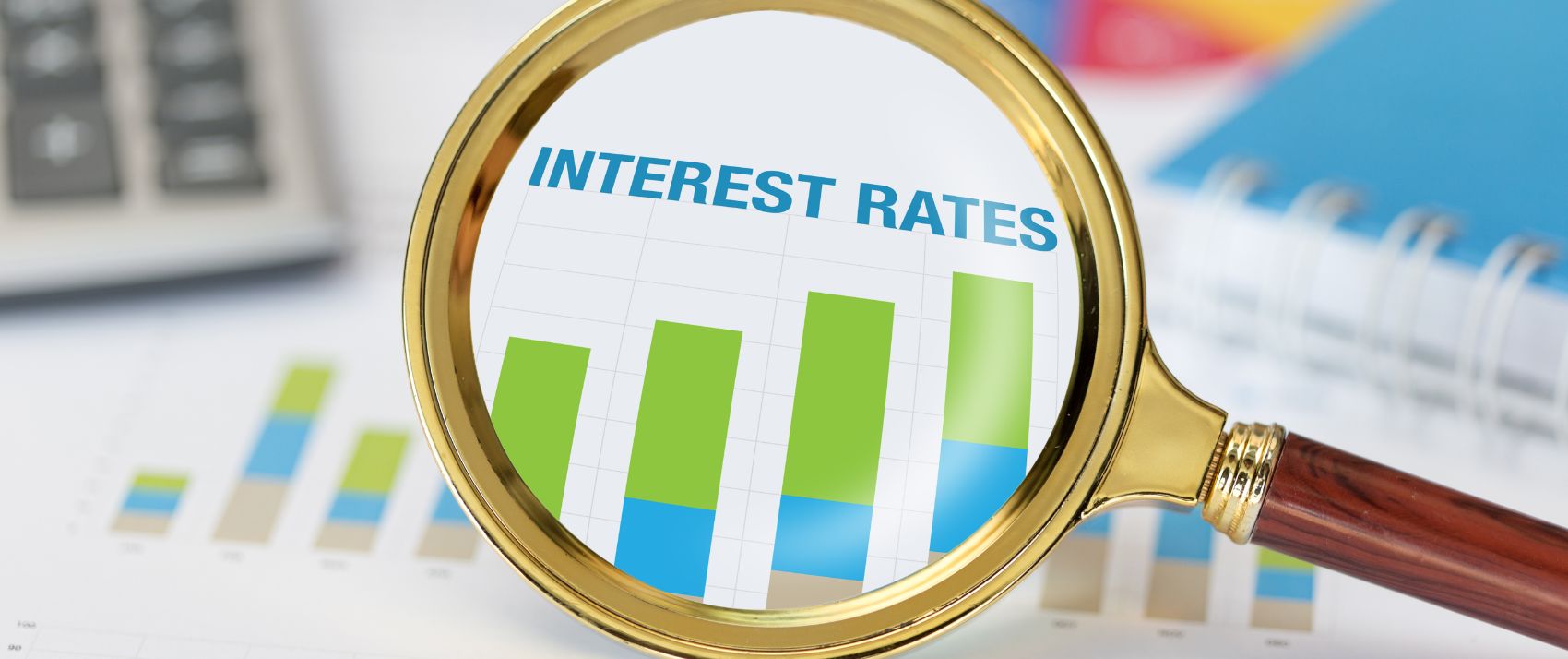
Interest rates are often spoken about in abstract terms, announced in percentages and discussed in economic commentary, yet their real impact is deeply practical and felt in the rhythm of everyday financial life. A change in interest rates does not just affect markets or institutions, in reality it filters through to how much households spend, save, borrow, and ultimately how financially comfortable or constrained they feel over time. In this week’s article we will unpack all the ways in which changing interest rates impact your finances to help you make more mindful financial decisions.

Interest rates, at the most immediate level, determine the cost of borrowing, meaning that anyone with a home loan, vehicle finance, or any form of variable-rate debt will see changes in their monthly repayments directly as interest rates rise or fall. When interest rates rise, the cost of servicing debt increases, often with no change in the underlying loan amount, quietly placing pressure on cash flow and reducing the income available for other expenses or savings. Conversely, when rates fall, repayments decrease, creating short-term relief and often a sense of increased financial flexibility.
However, the effect of interest rates extends beyond just those with debt, as they also influence the return on savings and cash investments. Higher interest rates generally mean better returns on savings accounts and fixed-income investments, which can benefit those who are in a position to save.
Yet this is not always a straightforward gain, because higher rates are often a response to rising inflation. What this means in practice is that while your bank balance may be growing at a faster nominal rate, the price of everyday goods and services, from groceries to fuel and school fees, is often rising at a similar or even faster pace, due to high inflation. As a result, the “real” return on your savings, after adjusting for inflation, may remain largely unchanged or in some cases even decline and in this sense, higher interest rates can be seen less as a reward for savers and more as a mechanism to preserve, rather than grow, wealth.
One of the more subtle ways in which interest rates affect daily life is through their influence on spending behaviour, as borrowing becomes more expensive and both individuals and businesses tend to become more cautious. We often see that households may delay large purchases, reduce discretionary spending, or prioritise paying down debt. Businesses, facing higher financing costs, may scale back expansion plans or pass on increased costs to consumers. This collective shift in behaviour can slow economic activity, which is often the intention behind rate increases aimed at controlling inflation.
The property market is particularly sensitive to interest rate movements, not only because of the direct impact on bond repayments, but also because of how rates influence property affordability. As rates rise, the amount that individuals can afford to borrow decreases, which can dampen demand in the property market and, in turn, affect property prices and the perceived value of one’s largest asset. For existing homeowners, this may not have an immediate cash flow impact, but it does shape longer-term financial planning and decision-making.
Interest rates also play a central role in investment markets, even if this connection is less visible on a day-to-day basis. Higher rates tend to reduce the attractiveness of riskier assets like equities, as safer, interest-bearing investments begin to offer more competitive returns. This can lead to market volatility, which affects retirement funds, unit trusts, and other long-term investments. While these movements are often temporary, they can influence how individuals feel about their financial progress, particularly during periods of uncertainty.
From a practical perspective, understanding the role of interest rates allows individuals to make more informed decisions about managing their finances. When interest rates increase, it is recommended to prioritise the repayment of high-interest debt, as this approach provides measurable advantages by reducing additional interest expenses. In contrast, during periods of lower rates, there may be more room to allocate funds toward long-term investments, while still remaining mindful of the potential for future increases.

Ultimately, interest rates are not just an economic lever used by policymakers, but rather a constant, underlying force shaping financial outcomes at a personal level. Recognising how they influence borrowing, saving, spending, and investing brings a level of awareness that can turn what often feels like an external pressure into something that can be planned for and managed. In doing so, individuals are better positioned to navigate changes not as surprises, but as expected shifts within a broader financial landscape.