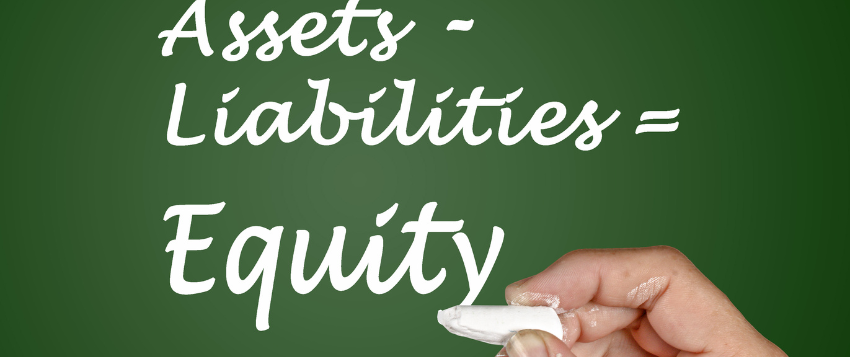
The Equation for Wealth
Wealth is not merely about accumulating money, but is rather about structuring your financial life in a way that creates stability, growth, and security. Achieving financial success requires a balanced approach that considers various elements working together. In this article, we will discuss these elements because by understanding what these elements are and how they interact you can build and sustain wealth over the long term.
Investments

Investing is one of the primary ways to build wealth, but it is essential to understand the different investment vehicles available, their tax implications, liquidity, and risk levels. Various financial products, such as unit trusts, shares, retirement annuities, and tax-free savings accounts, offer different benefits and risks and each investment product holds underlying asset class, such as equities, bonds, property, or cash, that will influence its return and volatility.
A well-structured investment portfolio should be aligned with your risk appetite, personal situation, time horizon, and financial goals. Understanding the distinction between discretionary and non-discretionary investments is key. Discretionary investments, such as shares and unit trusts, allow flexible access to funds but may come with tax implications. Non-discretionary investments, like retirement annuities and pension funds, offer tax advantages but have restrictions on when you can access your money.
An essential component of investing is maintaining an emergency fund. This fund should be liquid, meaning it is easily accessible, to cover unforeseen expenses like medical emergencies, car repairs, or job loss. Without an emergency fund, you may be forced to liquidate investments at an inopportune time, potentially incurring losses.
Insurance

Insurance is often overlooked in wealth-building discussions, yet it plays a vital role in protecting your financial future. Short-term insurance, such as vehicle and home insurance, safeguards against unforeseen losses that could otherwise be financially devastating. Long-term insurance, including life, disability, and income protection insurance, ensures that you and your family are financially secure in case of death, illness, or disability.
Medical aid is another critical aspect of financial planning. Without adequate medical coverage, an unexpected medical emergency can result in significant financial strain, derailing your other financial goals. Hospitalisation, surgeries, or chronic illnesses can lead to enormous expenses that can drain savings or lead to debt accumulation. Ensuring you have the appropriate medical cover is a proactive step in protecting your wealth.
Estate Planning

Estate planning is about ensuring that your wealth is transferred according to your wishes when you pass away. One of the most crucial elements of estate planning is having a legally valid and up-to-date will, especially if you have underage children. Without a will, the distribution of your assets could be delayed and may not align with your intentions. Proper estate planning also helps to minimise estate taxes and ensure that your beneficiaries receive their inheritance smoothly.
For those with significant assets, setting up trusts and other estate planning structures can provide additional benefits, such as protecting assets from creditors and ensuring that family wealth is preserved across generations.
Property and Lifestyle Assets

Owning property and other lifestyle assets can add significantly to your quality of life, however, it is crucial to differentiate between assets that generate wealth and those that primarily serve lifestyle purposes. Property investments, when chosen wisely, can offer long-term appreciation and rental income. However, a personal residence should not necessarily be viewed as an investment, as it does not generate income unless it is sold or rented out.
Other lifestyle assets, such as cars, boats, and luxury items, may enhance your life but should never be justified as investments. These assets generally depreciate over time and do not contribute to wealth accumulation. Striking a balance between enjoying life and making smart financial decisions is key.
Credit

Credit is a double-edged sword, it can either help build wealth or lead to financial ruin therefore understanding how to use credit effectively is crucial in the wealth equation. Long-term, low-interest debt, such as a mortgage, can be beneficial when managed properly, as it allows you to acquire appreciating assets like property. Similarly, using credit for business opportunities or education can be a strategic move that enhances income potential.
On the other hand, short-term, high-interest debt, such as credit card debt or personal loans used to fund a lifestyle, should be avoided at all costs. These types of debt can quickly become a financial burden, with high interest rates making it difficult to escape the cycle of debt repayment. Living within your means and using credit wisely ensures that it remains a tool for financial growth rather than a liability.
Wealth is not built by chance but by carefully managing the elements that contribute to financial success. Investments provide growth, insurance protects against unexpected setbacks, estate planning ensures a legacy, property and lifestyle assets enhance life quality, and responsible credit usage prevents financial pitfalls. By understanding and balancing these elements, you can create a solid foundation for financial security and long-term prosperity. The key to wealth lies in making informed decisions, planning strategically, and maintaining financial discipline throughout your journey.